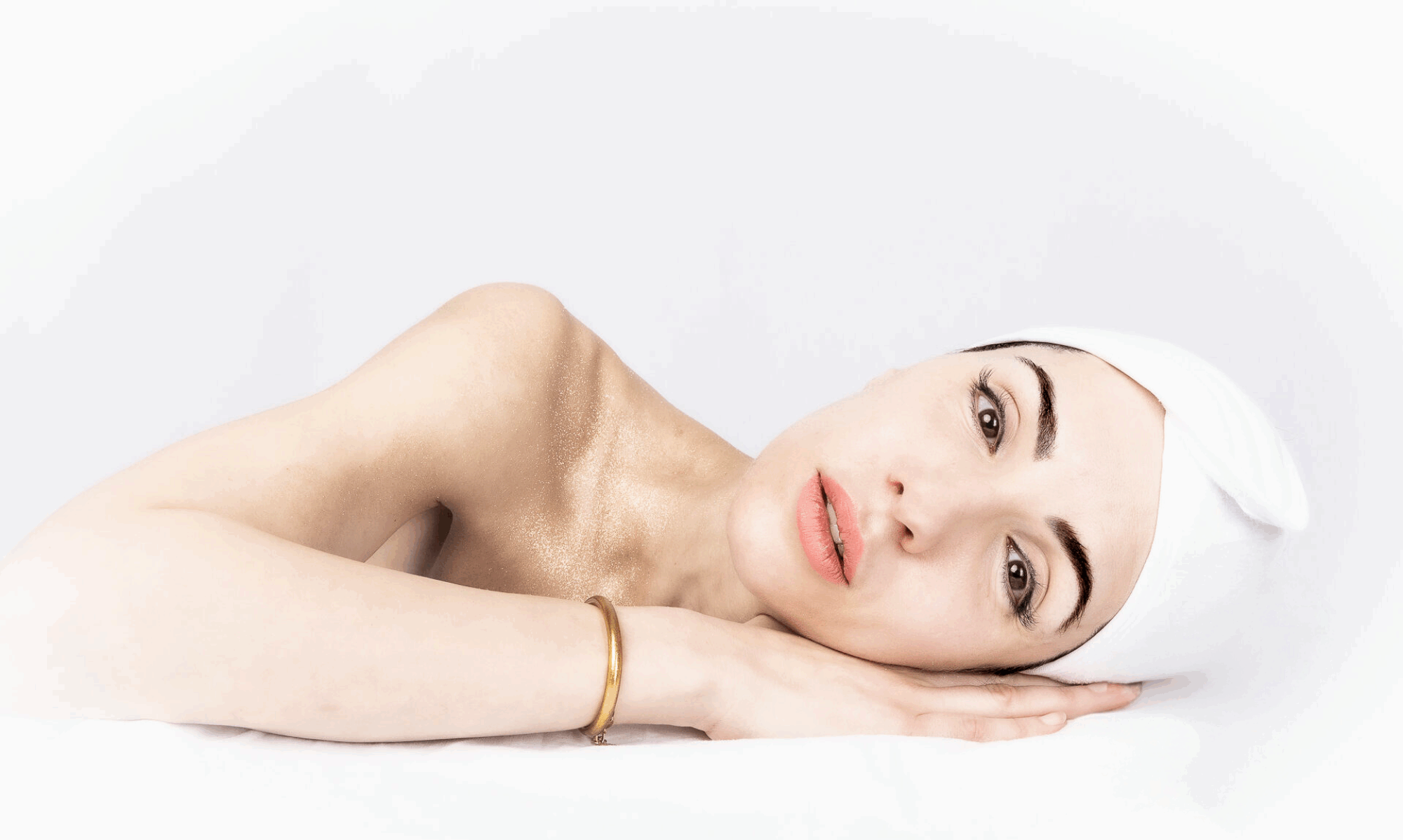

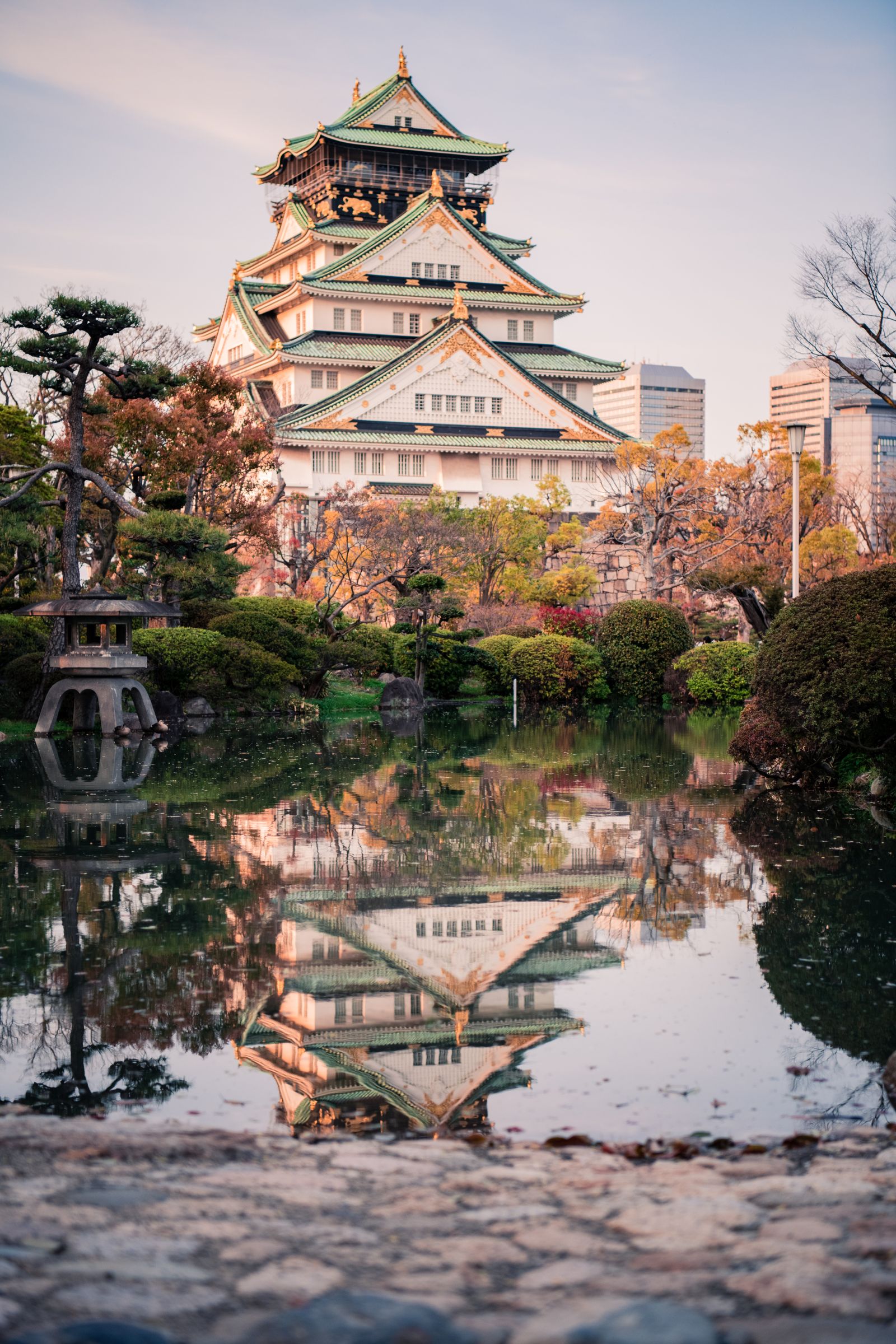
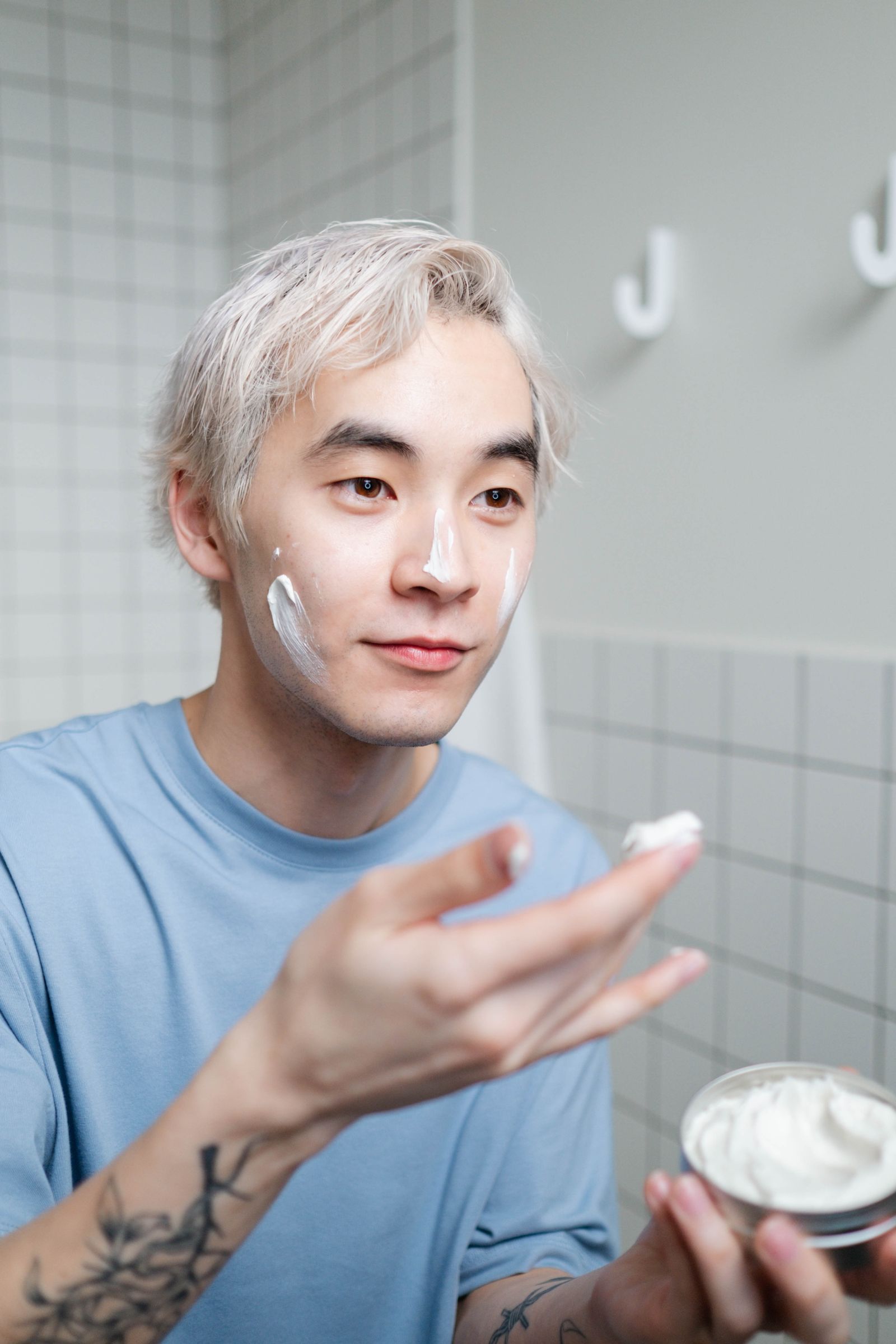
There are two ways to care for a face: the hand or the science. The patient touch of a master, passed down over centuries, or the precision of a clinic that teaches the skin to repair itself. Asia has carried both further than anywhere else, and each goes by a name: in Japan, Kobido; in Korea, the routine and aesthetic medicine. Two schools, two philosophies, one shared ambition: living skin.
1. Japan, the art of the hand
The Kobido tradition dates back to 1472. The name evokes the "ancient way of beauty," and it is said to have been born in service of the imperial court, long reserved for an elite and passed from master to disciple. This is nothing like a simple relaxing massage: it is a craft, a choreography of the hands.
The technique is striking in its rhythm. Countless movements follow one another at remarkable speed, tapping and gliding by turns to work the muscles, the circulation and the drainage. It is often called a "lift without a scalpel": more a reputation than a medical promise. Microcirculation is stimulated, lymphatic drainage reawakened, the muscles relaxed and toned at once. The complexion brightens and the features look rested, often by the end of the very first session.
One important nuance: Kobido does not work in a single, dramatic session the way aesthetic medicine does. Its strength lies elsewhere, in time. A face massaged every month is genuinely transformed: the features soften, the jawline firms, the complexion lights up, and the results settle in and build session after session. It is a treatment cultivated like fitness: the more regularly you return, the more the skin responds, and the more the face keeps that rested, living quality.
2. Korea, the routine
A complete shift in logic. Korea stakes nothing on a single gesture, but on a method. Its routine rests on a principle of application in layers, layering: textures are applied from the most fluid to the richest, so that each one absorbs before the next. Ten steps are often mentioned, but the number is misleading.
- The foundation (about five steps): double cleansing (oil then water), toner, moisturizer and sun protection. The essentials, non-negotiable.
- The targeted additions: essence, serum, sheet mask, eye care. Not an obligation, but a menu of possible treatments, chosen for the skin and the moment.
The philosophy behind this ritual comes down to a single idea: prevention rather than correction, and "skin first." Hydration in layers is about more than comfort. Well-hydrated skin absorbs active ingredients better, and a healthy skin barrier holds up better against time and daily stressors. You maintain skin that functions well so that problems never arise, rather than treating them after the fact.
All of this works toward an ideal that has become famous: glass skin. Not a procedure, but an aesthetic: skin that is clear, smooth, translucent and luminous. It is achieved through layering, never through a single gesture.
3. Korea, aesthetic medicine
If Korea fascinates so much, it is because it has turned skincare into a cutting-edge science. Its clinics offer not an isolated procedure but protocols, in which lasers, injectables, ultrasound and boosters are combined. And, above all, a fundamental shift: from restoring volume toward a regenerative approach, one that teaches the skin to repair itself, with little or no downtime. The aim is not to transform a face, but to achieve skin that is healthy and lastingly beautiful. Here, without the jargon, is what it involves.
- PDRN skin boosters (Rejuran): micro-injections derived from salmon DNA that stimulate skin renewal. The focus is texture, elasticity and fine lines, gradually. Not a volumizing product, but a skin-quality treatment.
- Profhilo, hyaluronic acid boosters (such as Skinvive): a non-filling hyaluronic acid, to hydrate deeply and firm. The "plumped from within" effect, without touching the volumes.
- Exosomes: the regenerative treatment of the moment in Seoul, said to encourage cellular repair. Let's be honest: still experimental at this stage, promising but unproven, and often paired with Rejuran.
- Ultrasound lifting (HIFU, Ultherapy, Shurink): ultrasound heats the deep layers to tighten the skin and reawaken collagen. A subtle lifting effect on the jawline and neck, over a few months. Far from a surgical facelift.
- Laser toning: repeated passes of low-energy laser, to even out the complexion, fade dark spots and make the skin glow. One of the pillars of the famous glass skin.
- Skin botox (micro-botox): superficial, diluted micro-injections, not to freeze the muscles but to tighten pores and refine the skin's texture. A satin finish, prized for looking natural.
The common thread? Never an isolated gesture. Korea combines modalities, layers approaches, and makes healthy skin a goal in itself. It is this coherence, as much as the technology, that explains the enthusiasm the world over.
What Mimisis takes from it
Two schools, then, and neither to be dismissed. Korea impresses with its rigor and its science; Japan reminds us of an older truth. No machine will ever fully replace the hand: its warmth, its attentiveness, that dialogue between two skins that no protocol can reproduce. Science cares for the skin; the hand cares for the person too. At Mimisis, we believe in both, but the touch remains essential.
Curious to experience this lift without a scalpel in the treatment room? We welcome you for Kobido, for him as well as for her, to recover rested features and a healthy glow that only the hand can give.